
The First World War, but with Drones
Four years in, Ukraine has outlasted the First World War, invented a new way of fighting and reversed the battlefield narrative. What happens next will be decided in Moscow, not Kyiv.

Foreign Affairs Newsletter
Written by Luca Salvemini
No. 166 - June 14, 2026
Two announcements before we begin.
On Thursday, the second issue of Strategic Brief was released, analyzing and detailing the use of AI in theaters of war—from Iran to Gaza, all the way to Ukraine. It is a technical analysis that seeks to focus on the decisive question: who makes the final decision to kill a person—man or machine?
On June 30, however, the fourth issue of Strategic Atlas, dedicated to Israel, will be released. It will be a very important issue, packed with data and analysis. We will attempt to capture its current state and its future projections following the conflicts in Iran and Lebanon, as well as its strained yet still solid relations with the United States.
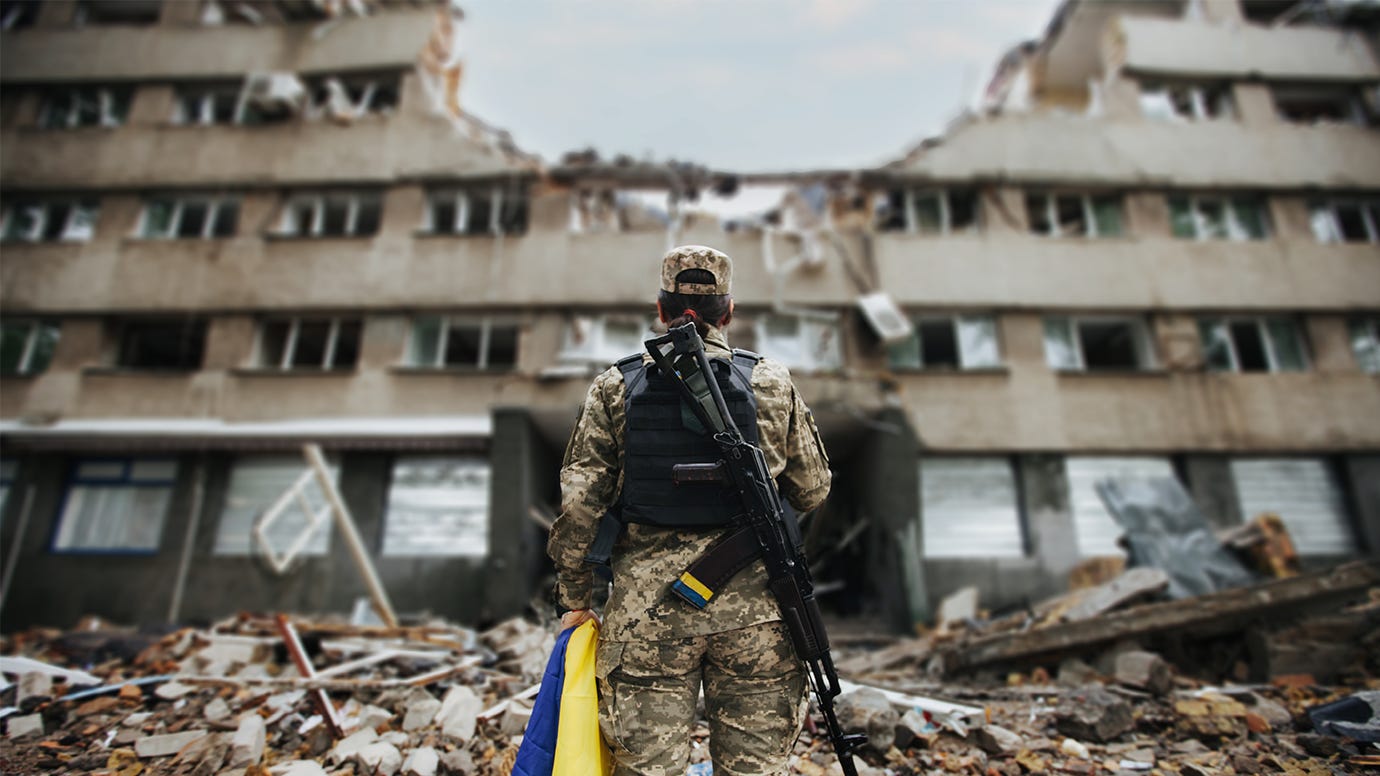
For four years, the dominant narrative was simple: Ukraine was losing, slowly but inevitably.
When the Trump administration cut off military and financial aid in 2025, many in Washington expected — and some quietly hoped — the war would end quickly.
Instead, something else happened: Europe kept funding Kyiv, Ukraine invented a new way of fighting, and Gulf states that once offered sympathy are now asking Ukraine to teach them how to counter drones.
That narrative is now wrong.
What has changed on the battlefield, who is actually winning the technological war, and what will determine whether this conflict ends in 2026 or grinds on for years — the answers are more surprising, and more consequential, than most observers have yet understood.
