
When AI Goes to War
How artificial intelligence is rewriting the rules of modern warfare — and who pays the price when it gets it wrong.

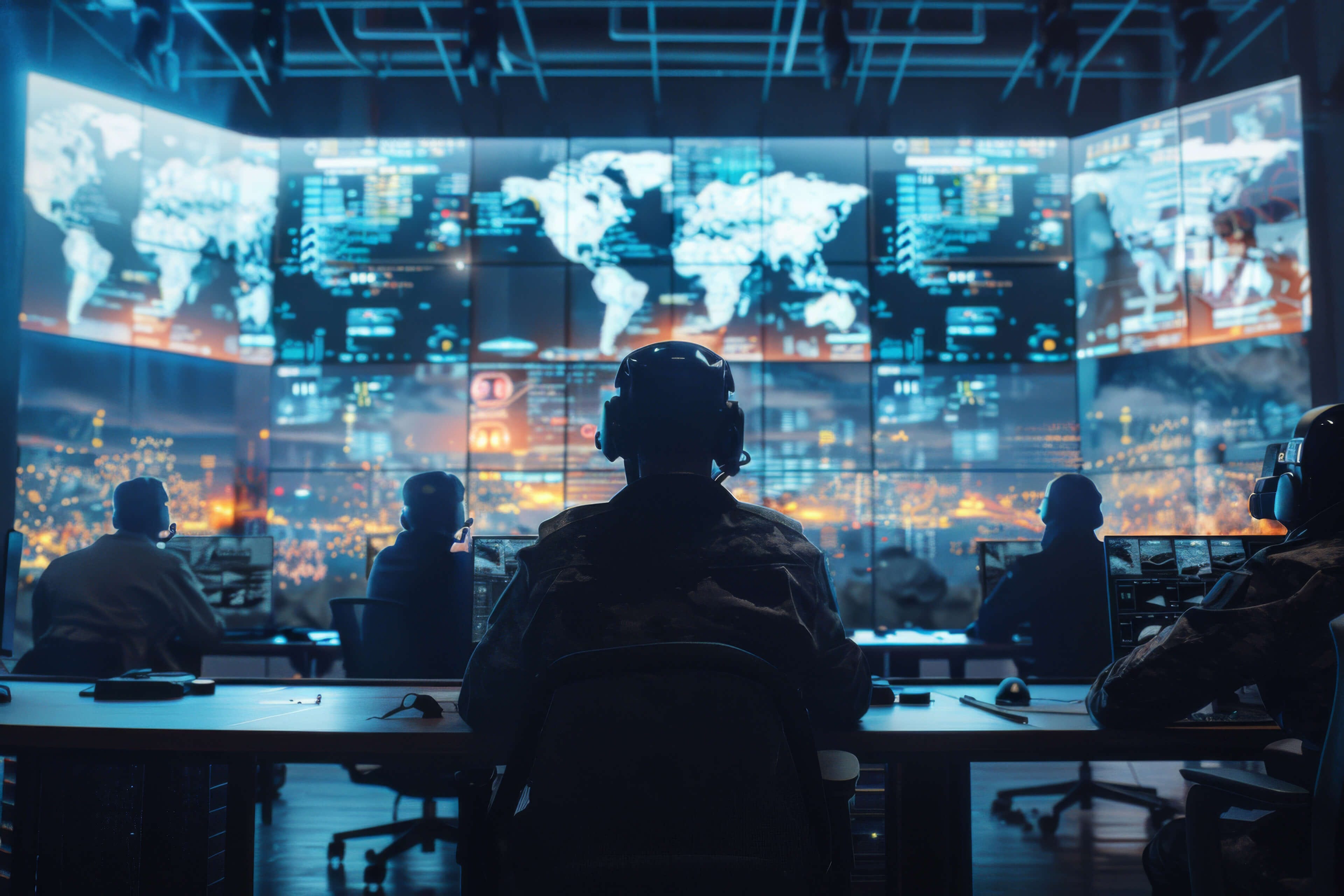
Welcome to the second issue of Strategic Brief, the Foreign Affairs Newsletter column dedicated to a specific topic of current affairs.
The first issue explored the dangerous intersection between the outbreak of war with Iran, the troubling scale reached by the private credit sector, the impact of AI on labor, and the resilience of democratic institutions.

Today, I want to discuss what The Economist has dubbed “the most important military system you have never heard of”: Maven Smart System, developed by Palantir on models provided by Anthropic’s Claude.
But Maven is only the most visible node of a far broader transformation — one that spans AI-assisted targeting platforms like Israel’s The Gospel and Lavender, autonomous weapons systems, large language models integrated into command-and-control infrastructure, and the quiet advance of European players such as Mistral AI into the military domain.
Taken together, these developments represent the first genuine convergence of artificial intelligence and modern warfare, and they deserve close examination — because the war involving the United States, Israel, and Iran is the most technologically sophisticated conflict in history.
The Fog of War
“War is the realm of uncertainty: three quarters of the things upon which action in war is based lie shrouded in a fog of greater or lesser uncertainty.”
Two centuries after Von Clausewitz’s treatise On War, one of the primary objectives driving the deployment of artificial intelligence systems in military contexts is precisely to dispel as much as possible the celebrated “fog of war” theorized in the nineteenth century by the Prussian general.